
Why Upgrading the Glass Is Often a Better Solution Than Replacing the Entire Window
Most window performance problems are not caused by the frame.
In many Irish homes, heat loss, draughts, and cold rooms are the result of outdated or degraded double glazing, not failing window frames. Understanding how glass performance changes over time explains why upgrading the glass alone can restore comfort, efficiency, and performance — without replacing the entire window.
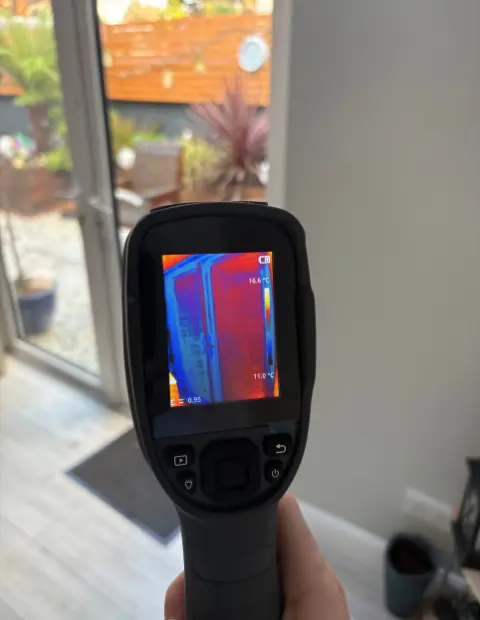
Where Heat Loss Really Occurs in a Typical Window
In a standard window, the glass makes up the largest surface area by far. As a result, it is responsible for the majority of heat loss.
Even well-made, properly installed frames cannot compensate for poor glazing. When the insulating performance of the glass declines, heat escapes regardless of how solid the frame remains.
This is why homes with intact frames can still feel cold, uncomfortable, or inefficient — the weakest point is often hidden in plain sight.

Why Double Glazing From the 1990s and 2000s Underperforms Today
Across Ireland, hundreds of thousands of homes were fitted with double glazing during the late 1990s and early 2000s.
At the time, this glazing met building regulations. However, it was typically:
standard double glazing without modern Low-E coatings
built with basic spacer technology
filled with air or early-generation insulating gas that slowly escapes over time
As the gas dissipates and edge seals age, thermal performance steadily declines. This process is gradual and invisible — the glass often looks fine even as heat loss increases year after year.
Compared to today’s A-rated Low-E units, older double glazing can lose up to 70% more heat.
What Modern Glass Does Differently
Modern glazing technology has advanced significantly over the last two decades. New glass can be more than twice as insulating as older or failed double glazing.
Low-E coatings
That reflect heat back into the room
Argon-filled cavities
That greatly improves insulation
Warm-edge spacers
That reduce cold bridging
Double Sealed Units
That extends the glass' lifespan
| Glazing Type | Thermal Performance | What This Means in Practice |
|---|---|---|
| Modern Low-E Double Glazing | Very high | Heat is reflected back into the room, internal glass surfaces stay warmer, and heat loss is significantly reduced |
| Standard Modern Double Glazing | Moderate | Better than older units, but lacks the full benefit of Low-E coatings |
| Double Glazing (15–25 years old) | Low | Insulating gas has often dissipated and performance falls well below current standards |
| Older or Deteriorated Double Glazing | Very low | High heat loss, cold internal glass, high condensation risk |
Why Replacing the Entire Window Is Often Unnecessary
Window frames are designed to last for decades.
In many homes, frames remain:
structurally sound
square and secure
perfectly capable of housing modern glazing
Replacing the entire window is a blunt solution when only the glass and moving components have worn.
A glass upgrade takes a more proportionate approach:
retain what still works
replace what doesn’t
restore performance as a complete system
This avoids unnecessary cost, disruption, and waste while delivering meaningful comfort improvements.
Glass Upgrade vs Full Window Replacement
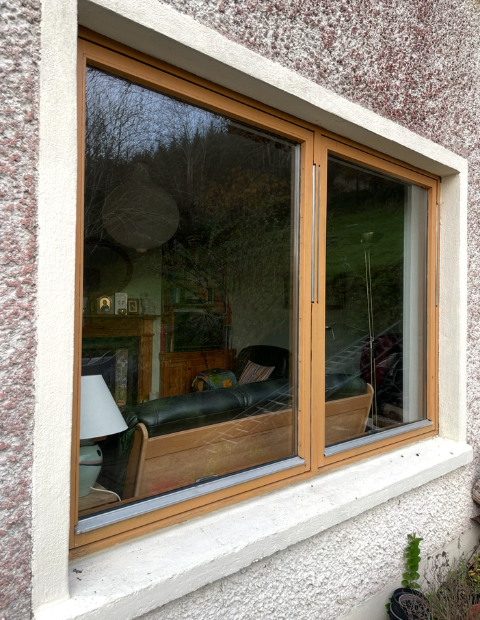
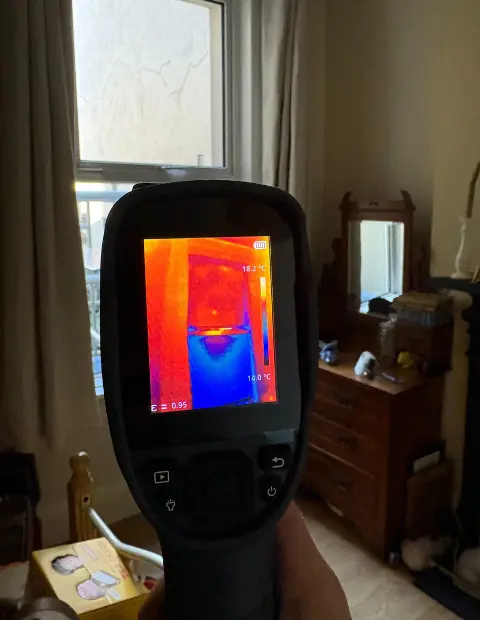
Full window replacement involves removing frames, disturbing finishes, and installing entirely new systems. It is appropriate when frames are damaged or structurally compromised.
A glass retrofit, by contrast:
targets the primary source of heat loss
restores airtightness and correct window closure
delivers most of the comfort improvement
costs significantly less
involves minimal disruption
For many homes, the outcome overlaps — but the effort and expense do not.

One of the Easiest Wins for Your Home’s Energy Efficiency
When homeowners look to improve energy efficiency, they’re often presented with complex or disruptive options. Upgrading the glass is different. It targets one of the largest sources of heat loss in the home while requiring minimal work, minimal downtime, and no structural changes. In terms of effort versus impact, few upgrades deliver such a clear and immediate improvement in day-to-day comfort.
A New, Smarter Choice for Irish Homes
Many Irish homes were built or upgraded during periods when energy standards were very different to today. While expectations have changed, the underlying structure of these homes has not. A glass retrofit recognises that reality — improving performance in a way that suits existing housing stock, avoids unnecessary waste, and delivers meaningful comfort gains without forcing homeowners into full replacement projects.

Not Sure What Your Windows Need?
The only way to know whether a glass upgrade is suitable is through a proper assessment. In many cases, we can give an initial recommendation using photos or short videos of your windows — helping you understand your options before arranging a visit.
Where an on-site inspection is needed, we offer a free call-out to assess your existing windows.
Glass Retrofit FAQs — Why Upgrade Instead of Replace?
Is upgrading just the glass really effective, or do I need full new windows?
Upgrading the glass is highly effective in many Irish homes because it targets the part of the window that typically accounts for the largest proportion of heat transfer: the glazing.
Full window replacement can deliver excellent results, but it is a broad intervention. It replaces frames, trims, and often disturbed finishes to solve what is frequently a narrower problem: outdated insulating glass and degraded closure performance.
A glass upgrade becomes the smarter option when:
the frames are structurally sound (square, secure, not warped or rotten)
the discomfort is primarily due to cold glass, condensation, or poor thermal performance
draughts are caused by worn seals/hardware rather than damaged frames
Modern A-rated glazing (Low-E + argon + warm-edge spacers) can significantly reduce heat loss compared to standard double glazing fitted 15–25 years ago. When that glazing is paired with restoring the way the window closes (compression, seals, hinge alignment), you recover much of the performance people associate with “new windows” — without removing what still works.
A good way to think about it is proportionality: if the frame is still doing its job, replacing it is often unnecessary to achieve a meaningful improvement in comfort and efficiency.
Why does double glazing from the 1990s and 2000s underperform compared to modern glass?
Double glazing performance is not just “two panes of glass.” It depends on the full construction of the sealed unit and the technologies used in it. Between the late 1990s and now, three major improvements became widespread:
1) Low-E coatings (emissivity control)
Modern Low-E coatings reduce radiative heat transfer. That means the glass is far better at reflecting indoor heat back into the room during cold months.
2) Gas-filled cavities (insulating fill)
Many older units used air or low-quality gas fills. Even when argon was used, it can dissipate gradually over years. As gas concentration drops, the cavity’s insulating effect declines.
3) Warm-edge spacer technology (edge thermal bridging)
Older spacer bars can conduct cold at the edge of the unit. Warm-edge spacers reduce thermal bridging and lower the likelihood of condensation and cold edge effects.
In addition, construction tolerances and quality vary widely across “boom-era” housing. Many units met the standards of their time, but those standards were meaningfully lower than today’s. This is why older double glazing can look “fine” yet still allow significant heat loss.
If the glass looks fine, how can it be performing poorly?
Because underperformance is usually invisible.
A sealed unit can remain physically intact and clear while losing a large portion of its insulating performance due to:
gradual loss of insulating gas through the edge seal over time
ageing of edge seal materials
older unit designs that were never high performance to begin with
thermal bridging at spacers and frames that becomes more apparent in cold, windy conditions
Fogging between panes is an obvious failure sign, but you do not need visible condensation inside the unit for performance to decline. Many homeowners only notice the impact when:
rooms feel harder to heat
cold spots form near windows
condensation appears in between the glass
heating runs longer to maintain comfort
A glass upgrade is often recommended because it addresses these performance losses directly, rather than pushing for full window replacement.
I feel draughts — doesn’t that mean I need new frames?
Not necessarily, and this is one of the most common misconceptions.
A draught is usually an airtightness failure, not a structural frame failure. In many windows, the frame remains sound, but air leaks occur because the window no longer closes with proper compression. Over time:
seals harden or shrink
hinges wear and the sash can drop slightly
handles lose pull-in force
the closing geometry becomes less uniform around the perimeter
This creates tiny leakage paths that you feel as draughts, particularly in windy weather. The window can “look fine” and still leak air.
This is why a proper glass retrofit should not be treated as “glass only.” For modern glazing to deliver its full benefit, the window must also close correctly. That means checking and correcting seals, hinges, and handle tension where required.
If I upgrade the glass, what happens to seals, hinges, and handles?
During our glass retrofit, these components are not ignored — they are assessed as part of overall window performance.
In practical terms:
Seals are inspected for shrinkage, hardening, tearing, or compression loss. If they are no longer doing their job, they are replaced so the window can seal properly.
Hinges are checked for wear, sag, and alignment. Where necessary they are serviced or replaced so the sash closes square and compression is even.
Handles and locking points are checked to ensure adequate pull-in pressure and correct closure. If the mechanism is loose, worn, or failing to compress the seals, it is adjusted or replaced.
This matters because glass performance and airtightness are linked. A high-performance sealed unit cannot compensate for air leakage around the opening sash. The goal is to restore performance as a system.
Will upgrading the glass actually make the room feel warmer, or is it just a paper improvement?
In most suitable cases, the comfort improvement is noticeable because you are changing the temperature behaviour of the window.
There are two main comfort drivers:
1) Warmer internal glass surface
Modern Low-E units reduce heat loss through the glazing, which means the inside surface temperature of the glass stays higher. That reduces the “cold radiation” effect you feel when sitting near a window.
2) Reduced downdraught / convection chill
Colder glass cools the adjacent indoor air, which then sinks and creates a cold airflow pattern. Warmer glass reduces this. Many people describe this as “less chill” near windows and a room that feels more stable.
Add restored closure and seals to the equation, and you reduce infiltration — another major comfort and heating penalty.
So while the performance improvement is measurable, the reason it matters is practical: fewer cold spots, fewer draughts, and a room that holds temperature better.
How does upgrading the glass compare to other energy efficiency upgrades?
It depends on the home, but upgrading glazing is often one of the most efficient interventions in terms of impact relative to disruption.
Insulation upgrades can deliver excellent results but may involve attic work, pumping cavities, internal lining, or larger projects depending on house type.
Heating system upgrades improve how heat is generated, but they don’t stop heat escaping through weak building elements.
Airtightness works are highly effective but can be complex to do comprehensively without a planned retrofit programme.
Upgrading glazing is different: it targets a major heat loss surface across the house, usually with minimal disruption and without structural change. For many homeowners, it’s a practical “high-return” improvement that can be done earlier rather than later — especially in homes with older standard double glazing.
Is a glass upgrade suitable for every type of home and window?
Not every window is a candidate. Suitability depends on frame condition, window type, and whether the frame can accept a modern sealed unit safely.
A glass upgrade is often suitable when:
the frames are stable, square, and not materially deteriorated
uPVC or aluminium frames are in good condition
timber frames are sound and maintained
the system can accommodate the thickness/weight of the proposed unit
A glass upgrade may not be suitable when:
frames are rotten, warped, cracked, or structurally failing
the window is single glazed with an unsuitable profile
drainage, glazing beads, or fixings are compromised
the frame cannot safely take the new unit specification
This is why assessment matters: not every “old window” should be retrofitted — but many should.
Does a glass retrofit change how my windows look?
A glass retrofit retains the existing frames, sightlines, and overall appearance. That is one of its main advantages.
From outside, most homeowners see no change beyond the glass being clearer (especially if the previous unit was fogged or tired). The benefit is performance: warmer internal surface temperatures, improved comfort, and reduced heat loss.
This is particularly valuable for:
estates where uniform appearance matters
homes where the existing window style suits the property
homeowners who want performance without changing how the home looks
How disruptive is it compared to full window replacement?
A glass upgrade is far less disruptive because frames remain in place. Full replacement can involve:
removal of frames
disturbance of internal reveals and trims
making good, redecorating, and extended installation time
higher overall site impact
A glass retrofit avoids that. Because work is focused on the glazing and performance components, it can be completed quickly with less mess and less intrusion into the home.
How can I know if I’m suitable before booking a call-out?
In many cases, the age of the windows alone provides a strong indication. Double glazing installed in the early 2000s or earlier was built to much lower thermal standards than today and, in most homes, will benefit significantly from a glass upgrade.
In addition, photos or short videos are often enough to give an initial assessment. Helpful items include:
A photo of the full window from inside
A close-up of the glazing edge or bead area
A short video showing how the sash closes
Any visible fogging between the panes
Photos of hinges or handles if they appear worn
This information can help confirm whether a glass retrofit is likely suitable before arranging a visit — particularly if you’re outside the immediate service area or simply want clarity first.
Where uncertainty remains, an on-site assessment provides the definitive answer.
What areas do you cover?
We currently cover Dublin and Wicklow.
Our work is mainly focused in:
South Dublin, including areas such as Dún Laoghaire, Blackrock, Stillorgan, Foxrock, Cabinteely, Sandyford, Rathfarnham, Terenure, and Dundrum
North Wicklow, including Bray, Greystones, Delgany, Kilcoole, and surrounding areas
Other parts of Dublin and Wicklow with similar housing stock
This focus reflects where a large number of homes built in the late 1990s and 2000s now have ageing double glazing that is suitable for glass upgrades.
In some cases, we may be able to travel further, particularly where photos or videos indicate a glass upgrade is likely to be suitable.
If you’re unsure whether your area is covered, just get in touch and we’ll advise.
Glass Retrofits Dublin
Providing energy-efficient glass retrofits and double glazing upgrades across all of Dublin — from Rathmines, Cabinteely and Dalkey to Ballyfermot and beyond.
Glass Retrofits Wicklow
Covering all of Wicklow with expert glass-only and frame servicing window upgrades, including Bray, Greystones, Blessington, Wicklow Town and surrounding areas.